

Blog
The Ultimate Guide to Choosing the Right Construction Equipment Ramps
Oct
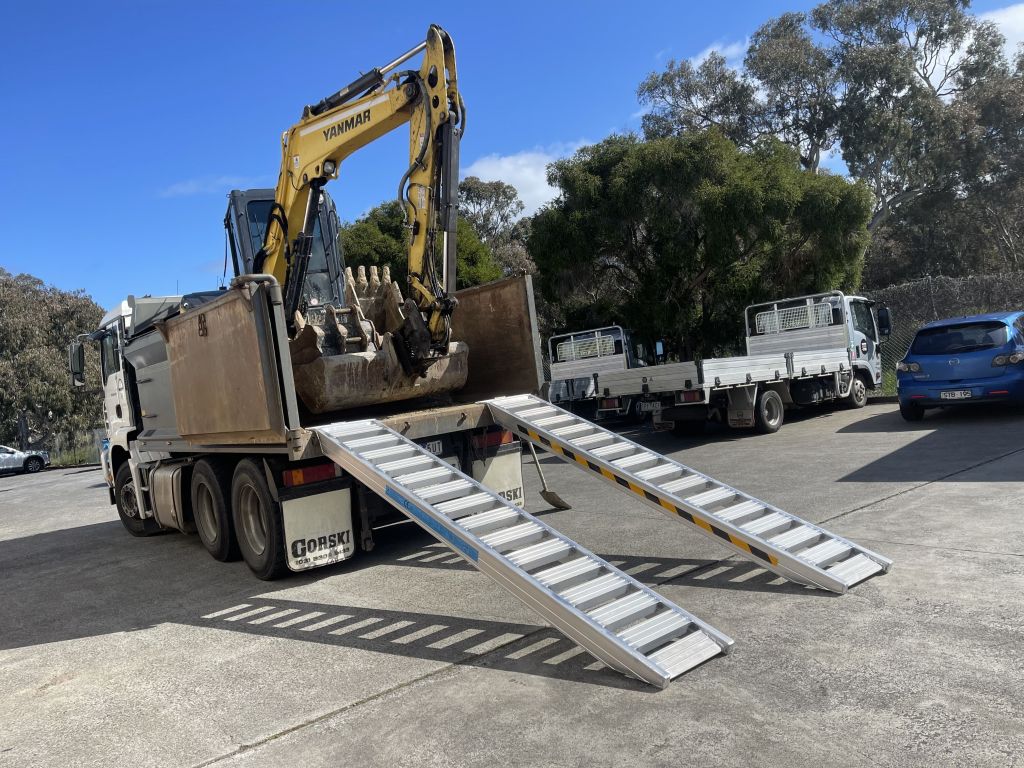
When it comes to construction projects, having the right equipment ramps is crucial for ensuring smooth operations and efficient material handling. However, selecting the appropriate construction equipment ramps can be a challenging task, considering the diverse range of options available in the market. In this comprehensive guide, we will walk you through the essential factors to consider and provide insights into choosing the perfect construction equipment ramps for your specific needs.
Understanding Different Types of Construction Equipment Ramps:
Before diving into the selection process, it’s vital to understand the various types of construction equipment ramps. From loading ramps and access ramps to heavy-duty machinery ramps, each type serves a distinct purpose in the construction industry. Familiarizing yourself with these variations can significantly aid in making an informed decision based on your project requirements.
Assessing Load Capacity and Weight Requirements:
One of the fundamental considerations when choosing construction equipment ramps is evaluating the load capacity and weight requirements. Understanding the weight limitations of the ramps is crucial for ensuring safe and efficient transportation of heavy machinery and materials. Additionally, assessing the weight of the equipment that needs to be transported is essential in determining the appropriate ramp size and strength.
Analyzing Material and Durability:
The durability of construction equipment ramps is directly related to the materials used in their construction. Factors such as weather resistance, anti-corrosion properties, and overall robustness play a significant role in the longevity and reliability of the ramps. Analyzing the material composition of the ramps and opting for high-quality, durable materials can contribute to long-term cost savings and enhanced operational efficiency.
Considering Portability and Versatility:
For construction projects that require frequent equipment transportation or repositioning, portability and versatility become critical factors. Opting for lightweight and easily portable ramps can facilitate seamless mobility, allowing for quick setup and dismantling. Additionally, considering ramps that can adapt to various terrains and surfaces can contribute to enhanced flexibility and improved project management.
Evaluating Safety Features and Compliance Standards:
Ensuring the safety of workers and equipment during loading and unloading processes is paramount in the construction industry. Therefore, it is essential to prioritize construction equipment ramps that adhere to industry safety standards and regulations. Features such as anti-slip surfaces, secure fastening mechanisms, and proper weight distribution mechanisms should be thoroughly evaluated to guarantee optimal safety and minimize the risk of accidents.
Conclusion:
Choosing the right construction equipment ramps is a crucial step in ensuring the seamless and efficient handling of heavy machinery and materials in construction projects. By considering factors such as load capacity, material durability, portability, and safety features, you can make an informed decision that aligns with your specific project requirements. Prioritizing quality, reliability, and adherence to industry standards will not only enhance operational efficiency but also contribute to a safer and more productive work environment.